

At Freet, we are committed to improving the materials and processes used in our barefoot shoes. We aim to reduce our environmental impact while maintaining the durability and performance our customers rely on.
Every product page includes a dedicated Sustainability tab, keeping these decisions visible and central to how we design.

Better Materials. Better Impact.
Freet shoes are made using materials designed to reduce waste and environmental impact, without compromising comfort, durability, or performance.
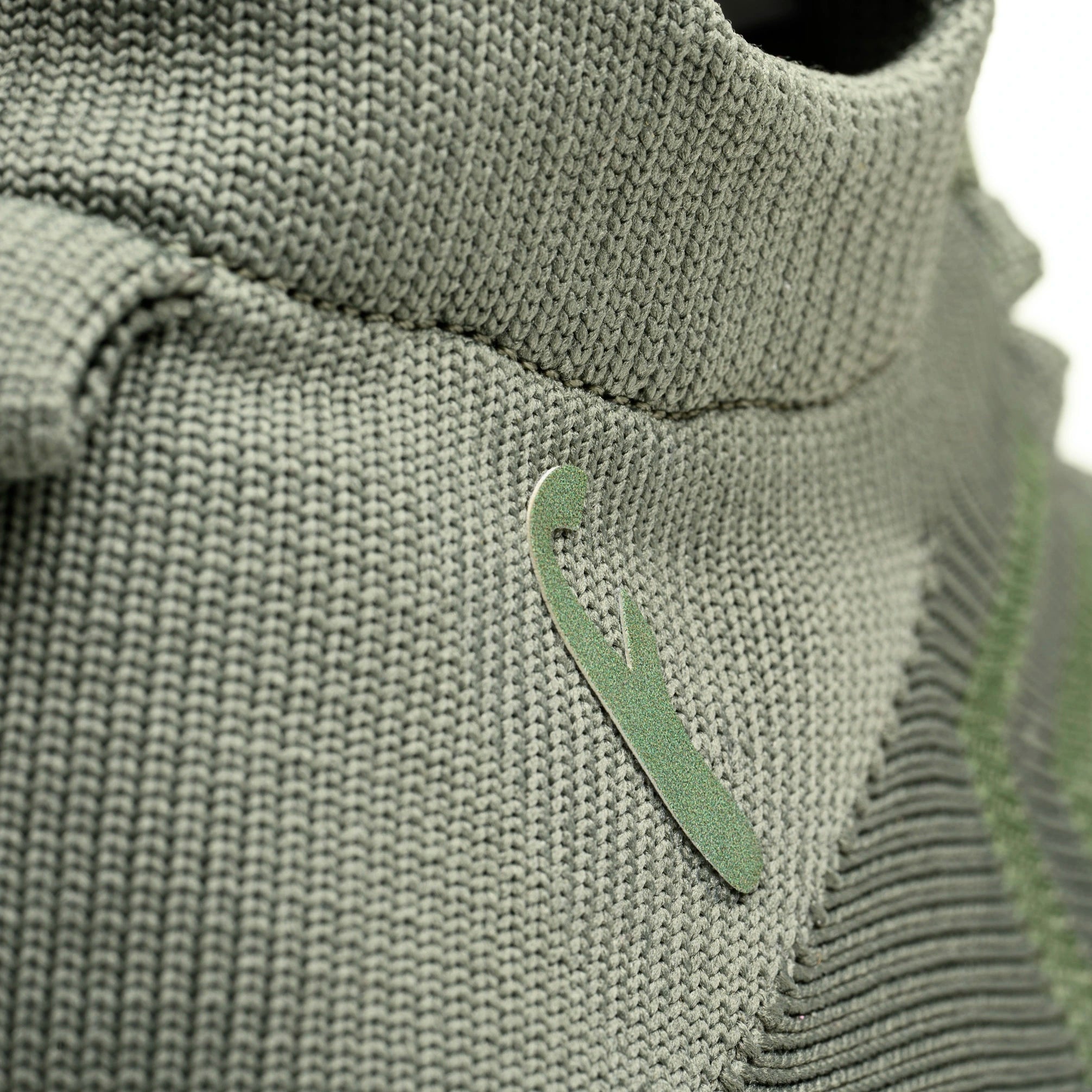
BottleYarn — Recycled Plastic Bottles
What it is:
Made from 60–80% recycled PET plastic bottles.
Post-consumer bottles are cleaned, processed into pellets, and spun into high-performance yarn.
What this means for you:
- Lightweight and breathable
- Durable and easy to clean
- Designed for everyday and active use
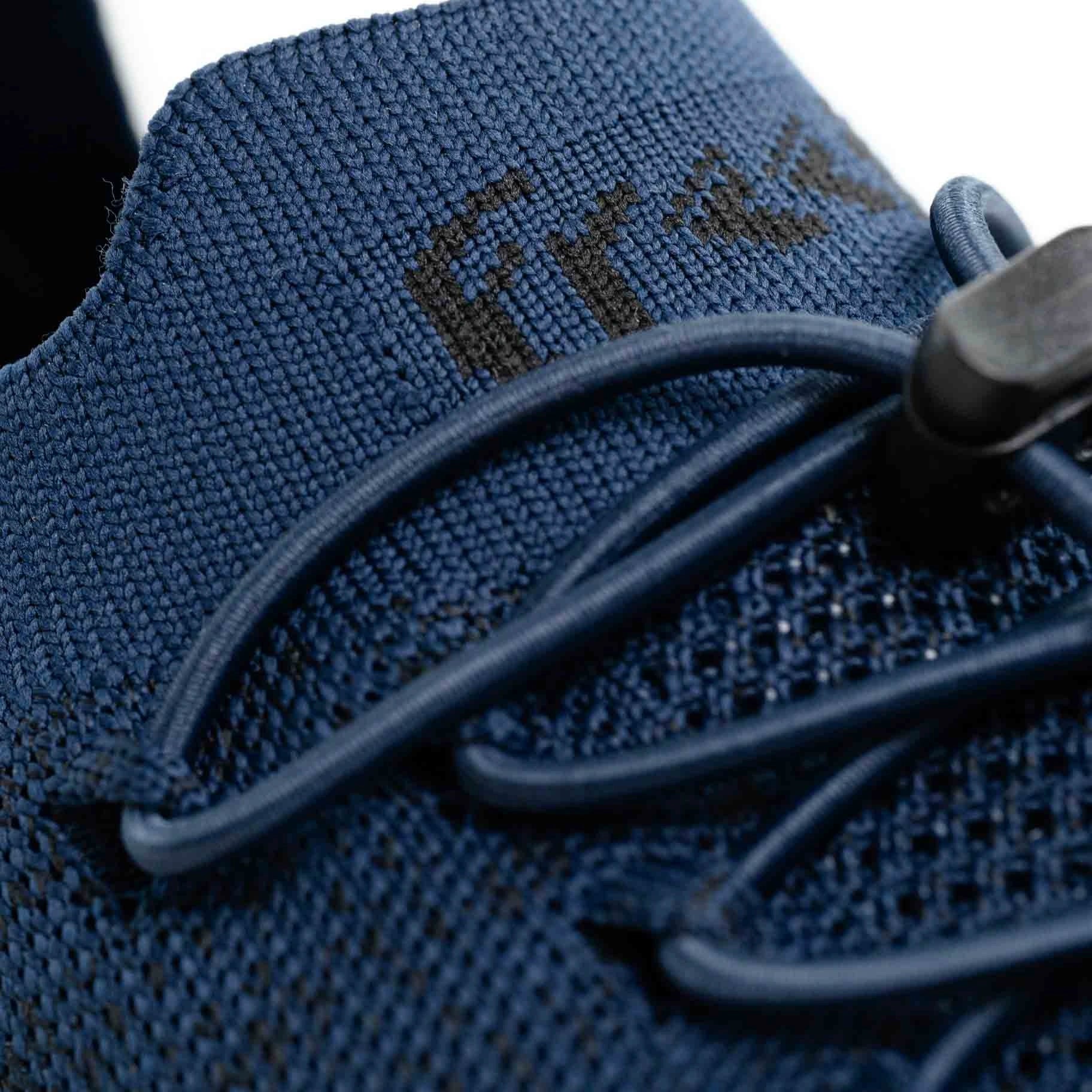
CoffeeYarn — Recycled Coffee Grounds
What it is:
Made from 60–70% recycled coffee grounds combined with polyester.
The grounds are processed into fine particles and spun into performance yarn.
What this means for you:
- Breathable and fast-drying
- Naturally odour-resistant
- Durable for sport and everyday wear
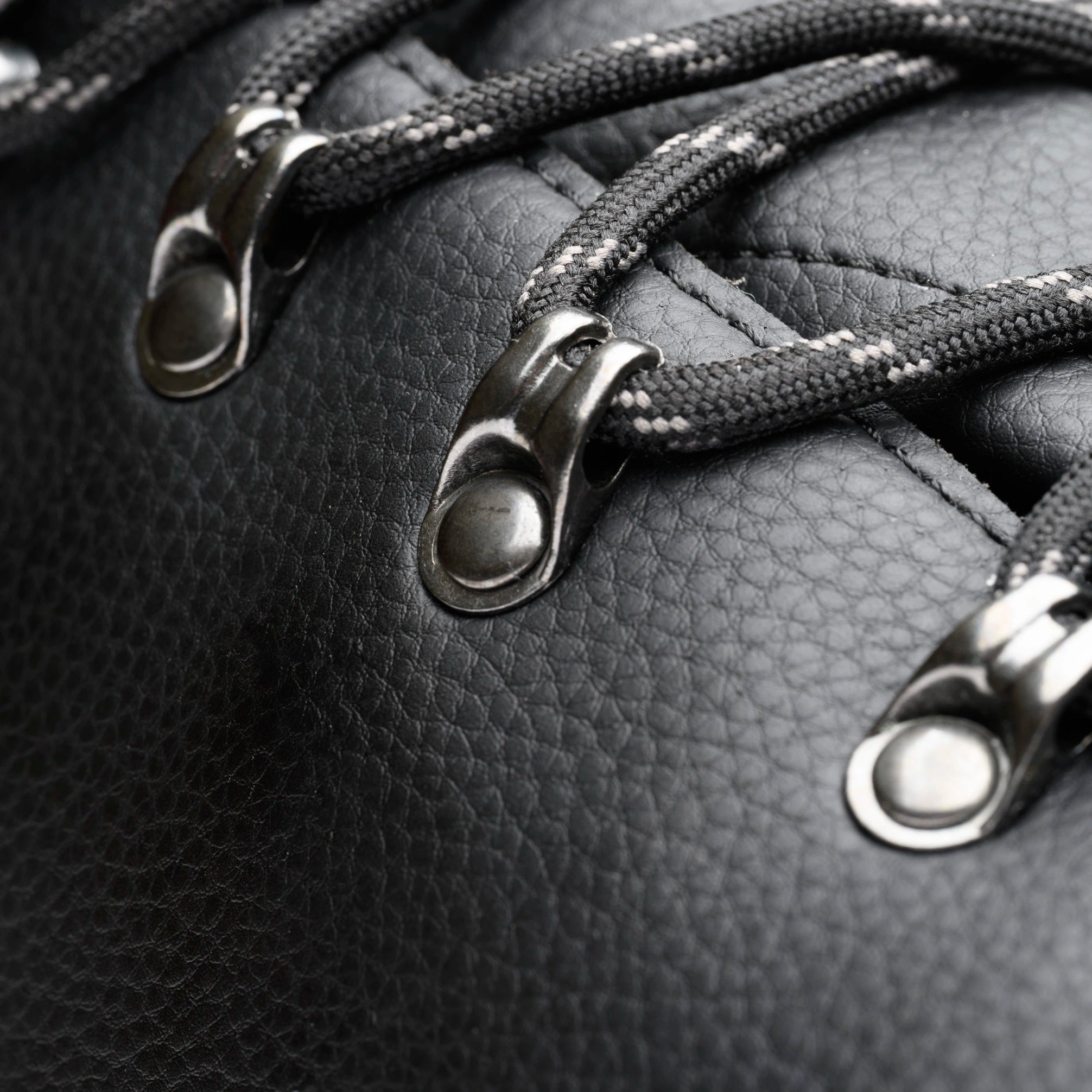
Microfibre — Recycled Performance Material
What it is:
Contains 30–40% recycled content, with improvements ongoing.
A tightly woven structure designed for durability and water resistance.
What this means for you:
- Lightweight and durable
- Water-resistant
- Easy to clean and maintain
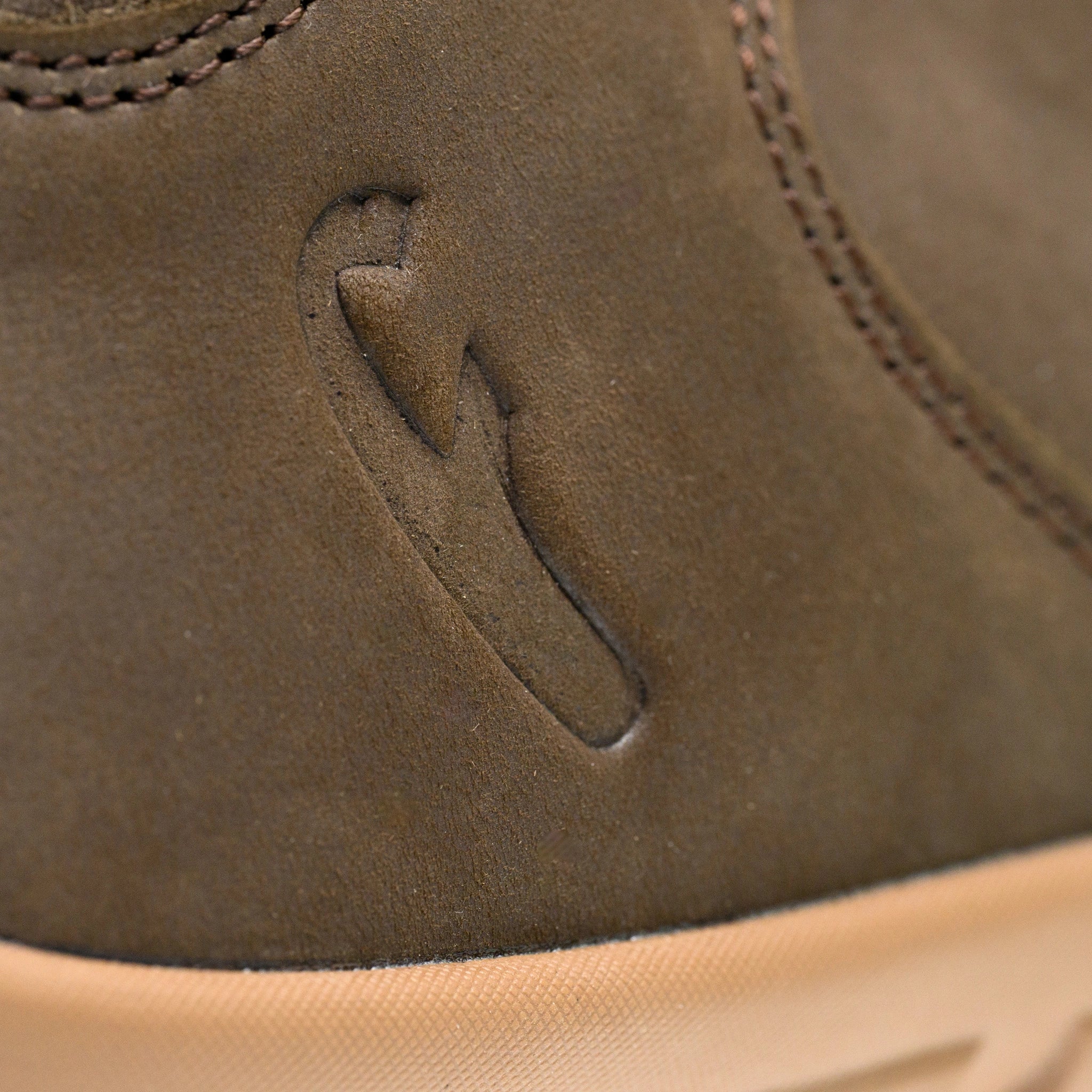
Leather - Responsibly Sourced
What it is:
Leather sourced from suppliers audited by the Leather Working Group (LWG), achieving Gold certification.
What this means for you:
- Durable and long-lasting
- Naturally breathable
- Sourced with responsible environmental standards
BottleYarn — Recycled Plastic Bottles
What it is:
Made from 60–80% recycled PET plastic bottles.
Post-consumer bottles are cleaned, processed into pellets, and spun into high-performance yarn.
What this means for you:
- Lightweight and breathable
- Durable and easy to clean
- Designed for everyday and active use
CoffeeYarn — Recycled Coffee Grounds
What it is:
Made from 60–70% recycled coffee grounds combined with polyester.
The grounds are processed into fine particles and spun into performance yarn.
What this means for you:
- Breathable and fast-drying
- Naturally odour-resistant
- Durable for sport and everyday wear
Microfibre — Recycled Performance Material
What it is:
Contains 30–40% recycled content, with improvements ongoing.
A tightly woven structure designed for durability and water resistance.
What this means for you:
- Lightweight and durable
- Water-resistant
- Easy to clean and maintain
Leather - Responsibly Sourced
What it is:
Leather sourced from suppliers audited by the Leather Working Group (LWG), achieving Gold certification.
What this means for you:
- Durable and long-lasting
- Naturally breathable
- Sourced with responsible environmental standards
Where Sustainability Shows Up

Uppers
We increasingly use recycled and innovative materials including BottleYarn, CoffeeYarn and recycled microfibre.
Lining & Insoles
We are expanding the use of recycled materials in linings and foam insoles while maintaining comfort and performance.
Laces
Our laces contain 60–70% recycled PET, reducing the need for virgin plastics.
Midsoles
We continue to increase recycled content across our SoftFlex, MidFlex and FirmFlex midsoles. These systems are key to flexibility and protection.
Outsoles
Our outsoles use a blend of 60% natural latex rubber and synthetic materials for durability. This balance ensures grip, longevity, and performance.

Extending Product Life Beyond Retail
We work with Shoe Aid to redistribute footwear to people experiencing hardship.
This includes:
- Samples
- Returns
- Non-retail stock
Our goal is simple: never discard usable shoes.

Responsible Manufacturing
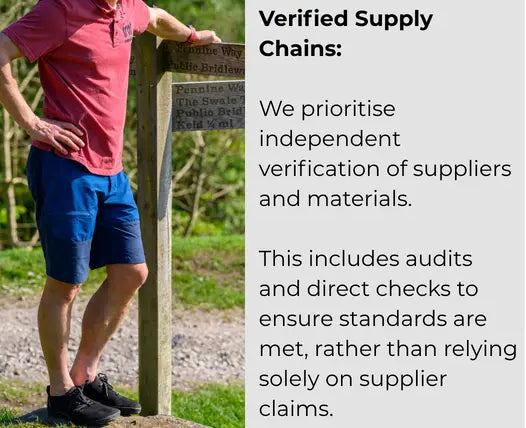
Our shoes are made by family-run manufacturing partners in China and Vietnam, who we work closely with to deliver the quality and performance we expect from every Freet shoe.
Our founders, Andrew and Sarah, visit our manufacturing partners two to three times a year, spending time with the teams and seeing production first-hand. These regular visits help us maintain close relationships and ensure the working conditions and manufacturing standards we expect are being upheld.

Always Evolving
Sustainability is an ongoing process.
We continue working to:
- Increase recycled content
- Reduce harmful chemicals
- Improve material innovation
- Extend product lifespan

BUILT TO LAST
At Freet, sustainability means combining durable design with responsible materials. By focusing on longevity and continuous improvement, we aim to create barefoot footwear that works better for both people and the environment.