
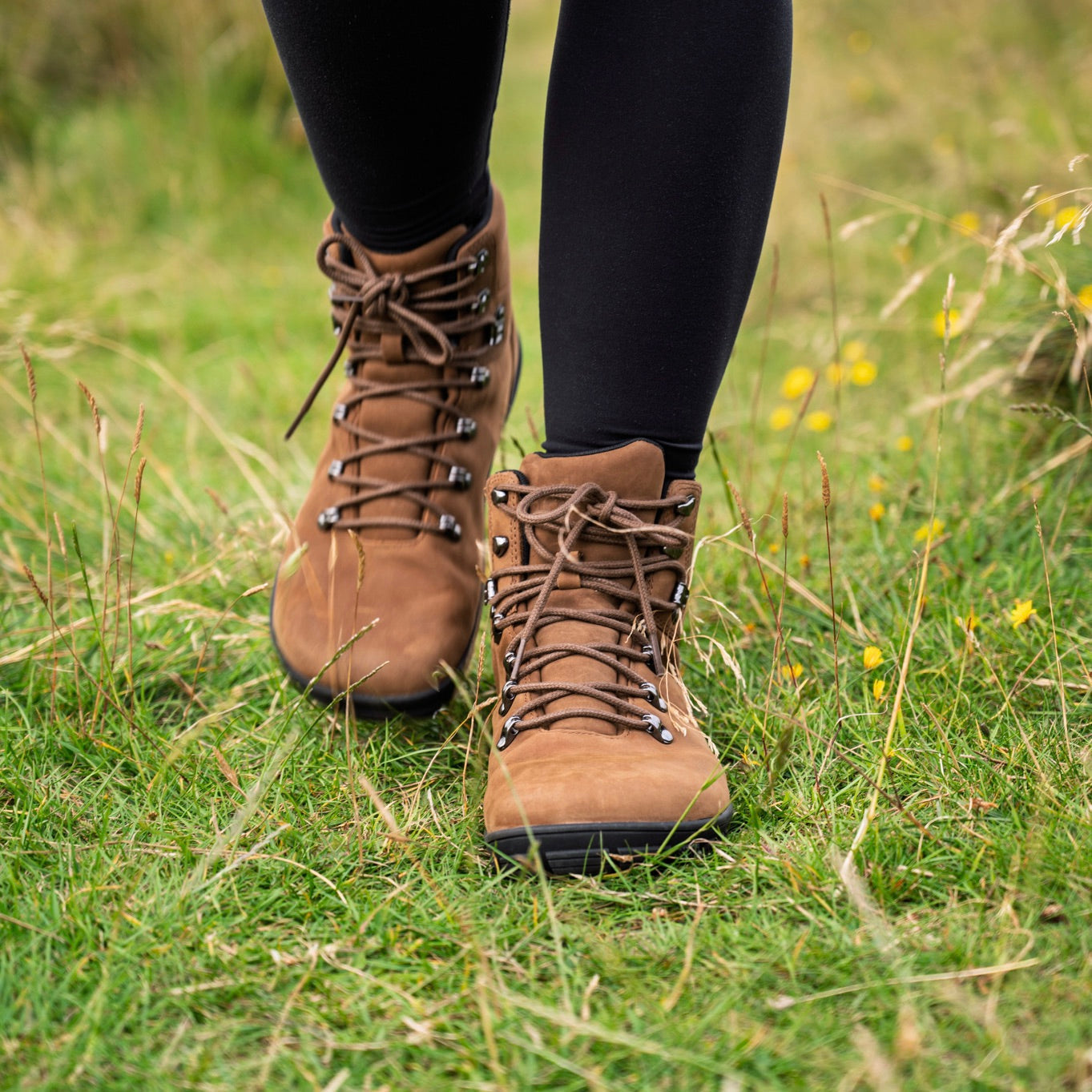
Your feet are the foundation of your health. They connect you to the ground, support balance and movement and influence how your entire body functions. Yet most modern footwear restricts natural foot movement.
Barefoot shoes are designed to restore natural foot function by allowing your feet to move, feel, and work as nature intended. If you’re new to barefoot shoes, this guide will walk you through why they matter, how they fit and how to transition safely.
The Benefits of Barefoot Shoes
1. Natural Foot Movement
Barefoot shoes allow your feet to spread, flex and adapt naturally. This supports:
-
Stronger foot muscles
-
Improved balance and stability
-
Better coordination and body awareness
2. Stronger Feet = Stronger Body
Your feet contain 26 bones, 33 joints, and over 100 muscles, tendons, and ligaments. When feet function well, they provide a stable base for the entire body — supporting ankle, knee, hip, and spinal alignment.
3. Improved Balance & Posture
A thin, flexible sole allows you to feel the ground beneath you (called proprioception). This sensory feedback helps your body react to changes in terrain, improving balance, posture, and movement efficiency.
4. Healthy Toe Spread
Barefoot shoes feature a wide toe box, allowing the toes — especially the big toe — to spread and function properly. This is crucial for:
-
Balance and propulsion
-
Foot flexibility and strength
-
Reducing stress up the kinetic chain (ankles, knees, hips, and lower back)
5. No Unnecessary Support
By removing arch support, stiff soles, and elevated heels, barefoot shoes encourage your feet to strengthen naturally rather than relying on artificial support.
How Barefoot Shoes Should Fit
Barefoot shoes look and feel different from conventional footwear. Here’s what to expect:
✔ Foot-Shaped Design
Barefoot shoes follow the natural shape of your foot, rather than tapering inward at the toes.
✔ Wide Toe Box
The widest part of the shoe is the toe area, allowing toes to splay naturally instead of being squeezed together.
✔ Zero Drop
There is no height difference between the heel and forefoot. This promotes a more natural posture and gait.
✔ Thin, Flexible Sole
The sole bends and twists easily, allowing your foot to move freely while still offering protection.
✔ Secure Fit
Laces or straps keep the shoe securely attached to your foot, preventing slippage without restricting movement.
How to Transition to Barefoot Shoes Safely
Transitioning to barefoot shoes is not something to rush. If your feet are used to cushioned, narrow, supportive shoes with an elevated heel, your muscles and tendons need time to adapt.
What to Expect
-
Greater foot and lower-leg engagement
Muscles that may have been under-used start doing their natural job again. -
A short adjustment period
Mild fatigue or awareness is common as your body adapts to moving more naturally. -
Calves and Achilles becoming more responsive
You may feel temporary tightness as tissues lengthen and strengthen.
This happens because zero-drop shoes place the foot and ankle through a greater range of motion, especially if you’re used to wearing heeled shoes.
Transition Tips
-
Start slow: Wear barefoot shoes for short periods (30–60 minutes) at first
-
Alternate footwear: Mix barefoot shoes with your regular shoes initially
-
Listen to your body: Mild soreness is normal; sharp or persistent pain is not
-
Strengthen your feet: Simple foot exercises can speed up adaptation
-
Progress gradually: Increase wear time over weeks, not days
Remember: transitioning is about retraining your feet, not forcing them.
Learn More: Foot Education & Support
Our education partners, The Foot Collective (TFC), explain foot function and barefoot transitions in a clear, practical way. Their resources help you build foot strength, improve mobility, and understand how your feet influence your whole body.
🎓 Foot Fundamentals Course
The Foot Fundamentals course is available free with a purchase on our website, providing expert guidance to support your barefoot journey.
Is Barefoot Footwear Right for You?
Barefoot shoes are about giving your feet the opportunity to move and function as they were designed to. With the right fit and a gradual transition, barefoot footwear can be a powerful tool for long-term foot health and overall movement quality.